
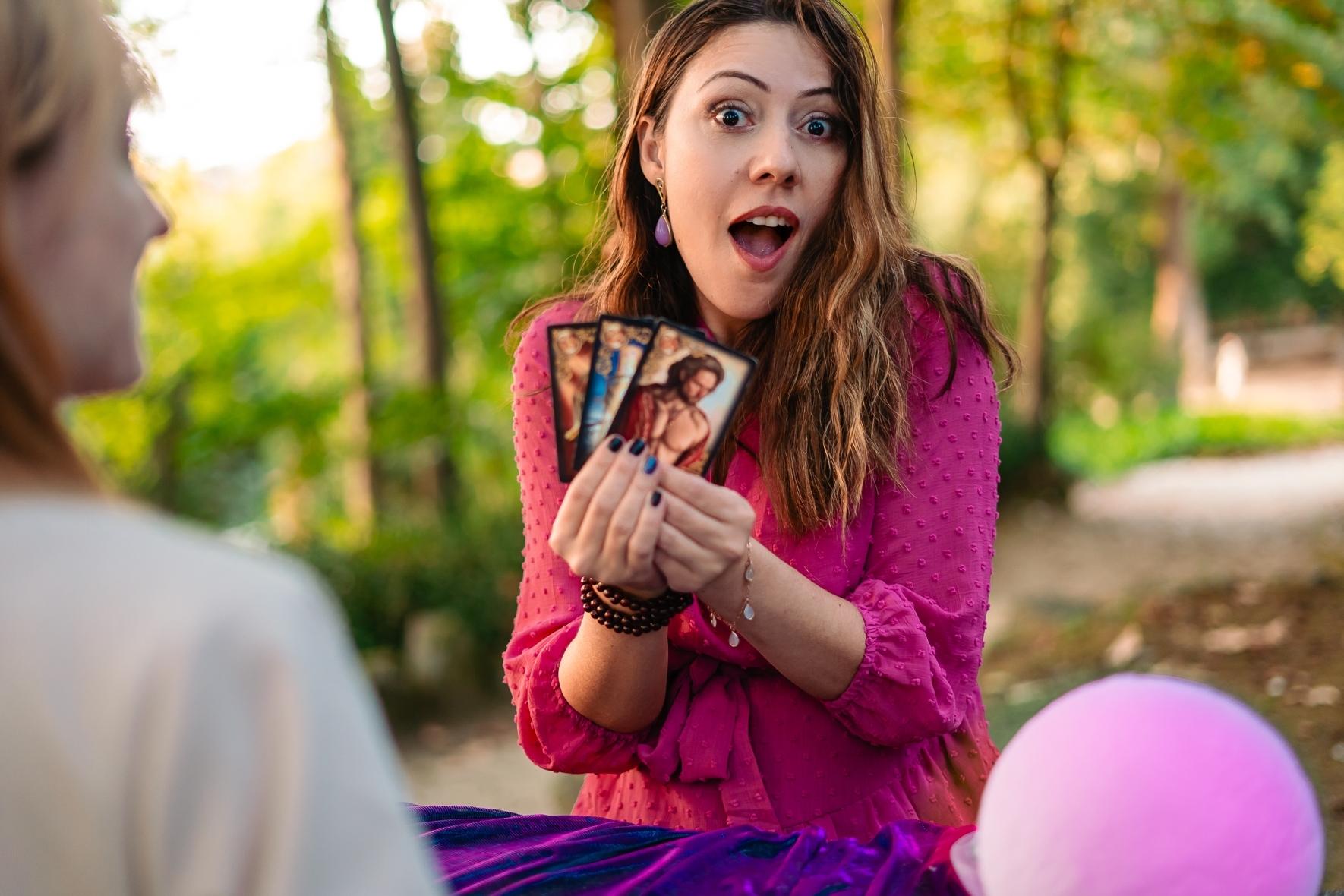
- Vibrant hobbies and lasting friendships grow through shared experiences with spingranny today
- Embracing New Hobbies and Skills
- The Role of Technology in Skill Development
- Building Friendships and Social Connections
- The Benefits of Intergenerational Friendships
- Volunteer Opportunities and Giving Back
- Finding the Right Volunteer Opportunity
- The Importance of Lifelong Learning
- Cultivating Continued Growth and Connection
Vibrant hobbies and lasting friendships grow through shared experiences with spingranny today
The desire for connection and purposeful activity doesn't diminish with age; in fact, it often intensifies. Many individuals find themselves with more free time as their careers evolve or children become independent, leading them to seek new avenues for social interaction and personal fulfillment. This is where initiatives like those surrounding the concept of a “spingranny” come into play, fostering a sense of community and shared experience among individuals, often grandmothers, looking to remain active and engaged. It’s about redefining what it means to embrace later life, shifting the focus from potential limitations to abundant opportunities.
Modern life often sees generational gaps widening, with younger families geographically dispersed and traditional support networks dwindling. This can lead to feelings of isolation for older adults, impacting their well-being. However, the rise of collaborative initiatives and shared experiences is helping to bridge these divides. The focus on intergenerational connections through hobbies, volunteering, and social gatherings offers a powerful antidote to loneliness and a pathway to renewed purpose. People are recognizing the wealth of knowledge and life experience that older generations possess, and actively seeking ways to tap into that resource, creating mutually beneficial relationships.
Embracing New Hobbies and Skills
One of the most significant benefits of engaging in community-based activities, often facilitated by programs designed with individuals like a “spingranny” in mind, is the opportunity to learn new skills and explore long-held interests. Many people postpone pursuing personal passions due to work or family commitments. Retirement or a change in life circumstances provides the perfect opportunity to finally delve into areas that have always appealed to them. This could range from painting and pottery to creative writing, gardening, digital photography, or learning a new language. The key is to find activities that are stimulating, enjoyable, and provide a sense of accomplishment. Participating in group classes or workshops adds a social dimension, fostering friendships and a sense of belonging. The shared learning experience can also be incredibly motivating, encouraging individuals to push their boundaries and achieve more than they thought possible.
The Role of Technology in Skill Development
Technology plays an increasingly important role in enabling older adults to access learning resources and connect with others sharing similar interests. Online courses, tutorials, and virtual workshops offer a convenient and flexible way to acquire new skills from the comfort of their own homes. Platforms like YouTube, Skillshare, and Coursera provide a vast library of educational content on virtually any topic imaginable. Social media groups and online forums dedicated to specific hobbies or interests foster a sense of community and allow individuals to share their creations, receive feedback, and connect with like-minded individuals. It’s important to acknowledge that navigating new technologies can be intimidating for some, but there are numerous resources available to provide support and guidance. Libraries, community centers, and even grandchildren can often offer assistance with learning the basics.
| Hobby | Skill Level | Cost (Approximate) | Social Interaction |
|---|---|---|---|
| Gardening | Beginner to Advanced | $50 – $200+ (initial setup) | High (garden clubs, community gardens) |
| Painting | Beginner to Advanced | $75 – $300+ (supplies) | Moderate (art classes, workshops) |
| Creative Writing | Beginner to Advanced | $0 – $100+ (workshops, software) | High (writing groups, online forums) |
| Digital Photography | Beginner to Advanced | $300 – $2000+ (camera, editing software) | Moderate (photography clubs, online sharing) |
The table above provides just a small sampling of the many hobbies available. The right choice depends on individual interests, physical abilities and budget, but the possibilities are vast.
Building Friendships and Social Connections
Beyond skill development, engaging in shared activities is a fantastic way to build meaningful friendships and combat social isolation. Many programs specifically designed for active seniors, and often incorporating the spirit of a “spingranny” network, prioritize social interaction. These can include group outings, volunteer opportunities, book clubs, and fitness classes. The common thread is shared experience – a shared activity creates a natural foundation for conversation and connection. These friendships aren't merely about companionship; they provide crucial emotional support, a sense of belonging, and a wider social network. This can have a profound impact on overall well-being, reducing stress, boosting self-esteem, and even improving physical health. It’s a reminder that social connection is a fundamental human need, and one that remains vital throughout all stages of life.
The Benefits of Intergenerational Friendships
Perhaps one of the most rewarding aspects of community engagement is the opportunity to forge friendships with people of different ages. Intergenerational friendships offer unique benefits for both parties. Younger individuals can gain valuable wisdom and perspective from older adults, while older adults can stay connected to current trends and feel a renewed sense of vitality. These relationships can also bridge generational gaps and foster mutual understanding. Mentoring programs, where experienced individuals share their skills and knowledge with younger generations, are a particularly effective way to foster these connections. The exchange of ideas and experiences is mutually enriching, creating a vibrant and dynamic social environment.
- Reduced feelings of isolation and loneliness.
- Increased self-esteem and confidence.
- Improved mental and physical health.
- A sense of purpose and belonging.
- Opportunities to learn new skills and explore interests.
The points listed above illustrate the positive impact of actively fostering social connections, particularly within a community that values shared experiences and mutual support.
Volunteer Opportunities and Giving Back
Volunteering is a powerful way to contribute to the community, make a difference in the lives of others, and experience a sense of fulfillment. There are countless organizations that rely on the dedication of volunteers to carry out their missions, and individuals of all ages and abilities can find opportunities that align with their interests and skills. For those embracing the “spingranny” lifestyle, volunteering can be a particularly rewarding experience. It provides a chance to utilize their life experience, share their wisdom, and remain actively engaged in society. Whether it's tutoring children, assisting at a local food bank, or advocating for a cause they believe in, volunteering offers a sense of purpose and a connection to something larger than themselves. Moreover, it’s a fantastic way to meet new people and build friendships with others who share a passion for making a difference.
Finding the Right Volunteer Opportunity
The key to a successful volunteering experience is finding an opportunity that is a good fit for your interests, skills, and availability. Numerous online resources, such as VolunteerMatch and Idealist, can help you search for opportunities in your area. Consider your passions – what causes are you most passionate about? What skills do you have to offer? How much time are you willing to commit? Don't be afraid to try different opportunities until you find one that feels right. Many organizations offer training and support to new volunteers. Remember, volunteering is a two-way street – you’re giving your time and energy, but you’re also gaining valuable experience, building relationships, and making a positive impact on the world.
- Identify your interests and skills.
- Search online volunteer databases.
- Contact organizations directly.
- Attend an orientation or training session.
- Commit to a regular schedule.
Following these steps can help ensure a positive and fulfilling volunteer experience.
The Importance of Lifelong Learning
The pursuit of knowledge and intellectual stimulation shouldn't cease after formal education ends. Lifelong learning is essential for maintaining cognitive function, expanding horizons, and staying engaged with the world around us. A savvy and active “spingranny” embodies this principle, constantly seeking new information and challenging her mind. This could involve taking courses at a local college or community center, attending lectures and workshops, reading books and articles, or simply exploring new topics online. The benefits of lifelong learning are numerous – improved memory and concentration, enhanced problem-solving skills, increased creativity, and a greater sense of purpose. It’s also a fantastic way to meet new people and connect with others who share a thirst for knowledge. In an era of rapid technological advancement and social change, lifelong learning is more important than ever before.
It's not just about acquiring new skills; it's about nurturing a curious mindset and a willingness to embrace new challenges. Learning a new language, studying a historical period, or delving into a scientific field can all broaden your perspective and enrich your life. The opportunities are endless, and the rewards are immeasurable. Choosing to continue learning throughout life demonstrates a commitment to personal growth and a desire to remain actively engaged with the world.
Cultivating Continued Growth and Connection
The core concept behind the spirit of a “spingranny” isn’t solely about age, but about a mindset – an openness to new experiences, a willingness to connect with others, and a dedication to continued growth. This isn’t a static state, but an evolving journey. A recent case study involving a local community center showcased the transformative power of intergenerational gardening initiatives. Several residents, many recently retired, participated in workshops teaching sustainable gardening practices alongside high school students. The project not only beautified the community but fostered incredibly strong bonds between the generations, with older participants sharing their gardening knowledge and life wisdom, while the students provided technical assistance and a fresh perspective. This reciprocal exchange highlighted the mutual benefits of intergenerational collaboration.
Ultimately, fostering environments where individuals feel empowered to pursue their passions, build meaningful connections, and contribute to their communities is vital. Supporting programs that encourage lifelong learning and intergenerational interaction isn't just about enhancing the quality of life for older adults—it’s about strengthening the fabric of society as a whole and ensuring a vibrant future for all. The principles embodied by this proactive approach to aging provide a blueprint for a more connected, engaged, and fulfilling life, regardless of age or circumstance.